The short answer
Most heating failures in Santa Clara homes come from equipment that sits idle for much of the year, such as dirty flame sensors, failed igniters, clogged filters, and thermostat or wiring faults. These can usually be repaired without replacing the system. Bay Area Air District rules do not require you to replace a working furnace, so repair is often the sensible first step.
Santa Clara winters are mild, but the nights still get cold and damp enough that a furnace or heat pump that won't run becomes a problem fast. ChillPro AC Repair is based in San Jose, about 3 miles southeast of Santa Clara. We repair gas furnaces, heat pumps, and the thermostats and ductwork that connect them in homes across 95050, 95051, 95053, and 95054. This page covers the problems we see most in Santa Clara homes, what to check before you call, and how to think about repair versus replacement under current Bay Area rules.
Why heaters in Santa Clara fail the way they do
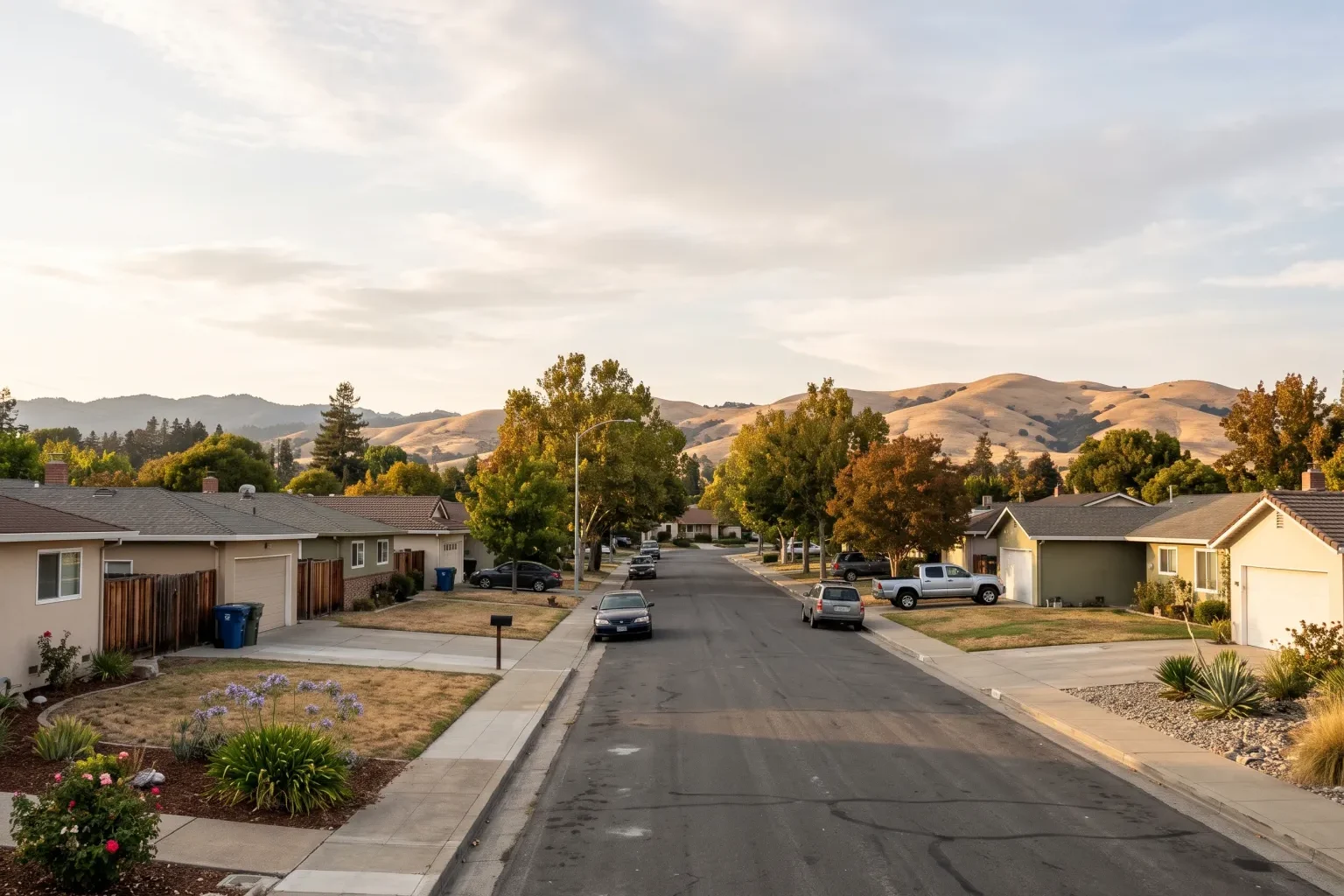
The Santa Clara Valley has a Mediterranean climate with dry summers and mild, damp winters. Many furnaces here run only a few months a year, then sit unused through a long, dry season. That pattern causes a specific set of problems. Dust settles on burners and sensors. Igniters that worked last spring crack after a cold start. Condensate lines on high-efficiency furnaces dry out, then clog once the system starts producing water again.
Heat pumps are common in Santa Clara homes, and many owners use them for both cooling and heating. Because the same equipment runs most of the year, wear shows up differently. Reversing valves, defrost controls, and outdoor fan motors see more hours. A heat pump that cools fine in summer can still fail to switch over properly when the first cold night arrives.
Common heating problems we repair
When we arrive, we start by confirming what the system is actually doing. Then we test the components most likely to cause that symptom. These are the issues behind most calls we get from Santa Clara homeowners:
- Furnace clicks or tries to start, then shuts off: often a dirty flame sensor or a weak hot surface igniter
- Blower runs but the air is cold: an ignition, gas valve, or limit switch problem, or a heat pump stuck in cooling mode
- Burning smell at the first startup of the season: usually dust burning off, but we check it if it doesn't clear within an hour
- Short cycling: a clogged filter, an oversized system, or an overheating heat exchanger tripping the safety limit
- Water near a high-efficiency furnace: a blocked condensate drain or a failed condensate pump
- Heat in some rooms but not others: disconnected or crushed ducts in the attic or crawlspace, or closed dampers
- Thermostat blank or not responding: dead batteries, a tripped breaker, a blown control fuse, or a wiring fault
What to check before you call
A few quick checks can save you a service visit. Make sure the thermostat is set to Heat and set several degrees above room temperature. Replace the batteries if it has them. Check the breaker for the furnace or air handler, and look for a light switch near the furnace that may have been turned off by mistake. Look at the air filter. If it's gray and packed with dust, replace it and try again.
If you smell gas, leave the house and call your gas utility from outside. If a carbon monoxide alarm goes off, get everyone outside and call 911. Don't try to restart the furnace in either situation.
Repair or replace under Bay Area rules
Bay Area Air District rules on gas appliances often come up during heating repair visits. Under Rule 9-4, natural gas furnaces manufactured from 2029 on must meet a zero-NOx emission standard. In practice, that points homeowners toward heat pumps when a furnace is replaced after that date. The rules do not require you to replace working equipment. They only apply when an existing furnace fails or is replaced.
For most Santa Clara homes, a furnace with a fixable problem should simply be fixed. If your system is older and needs a major part like a heat exchanger or a control board, we'll explain the repair, what a heat pump replacement would involve, and the tradeoffs of each. That way you can plan ahead instead of deciding during a cold snap.
If you're considering a heat pump, keep in mind that the federal 25C tax credit only covered qualifying heat pumps placed in service before December 31, 2025. It isn't available for new installations. You can check BayREN and your local clean energy provider for current electrification incentives. Those amounts change with each funding cycle, so we confirm the current offer before including it in any quote.
Serving Santa Clara and nearby cities
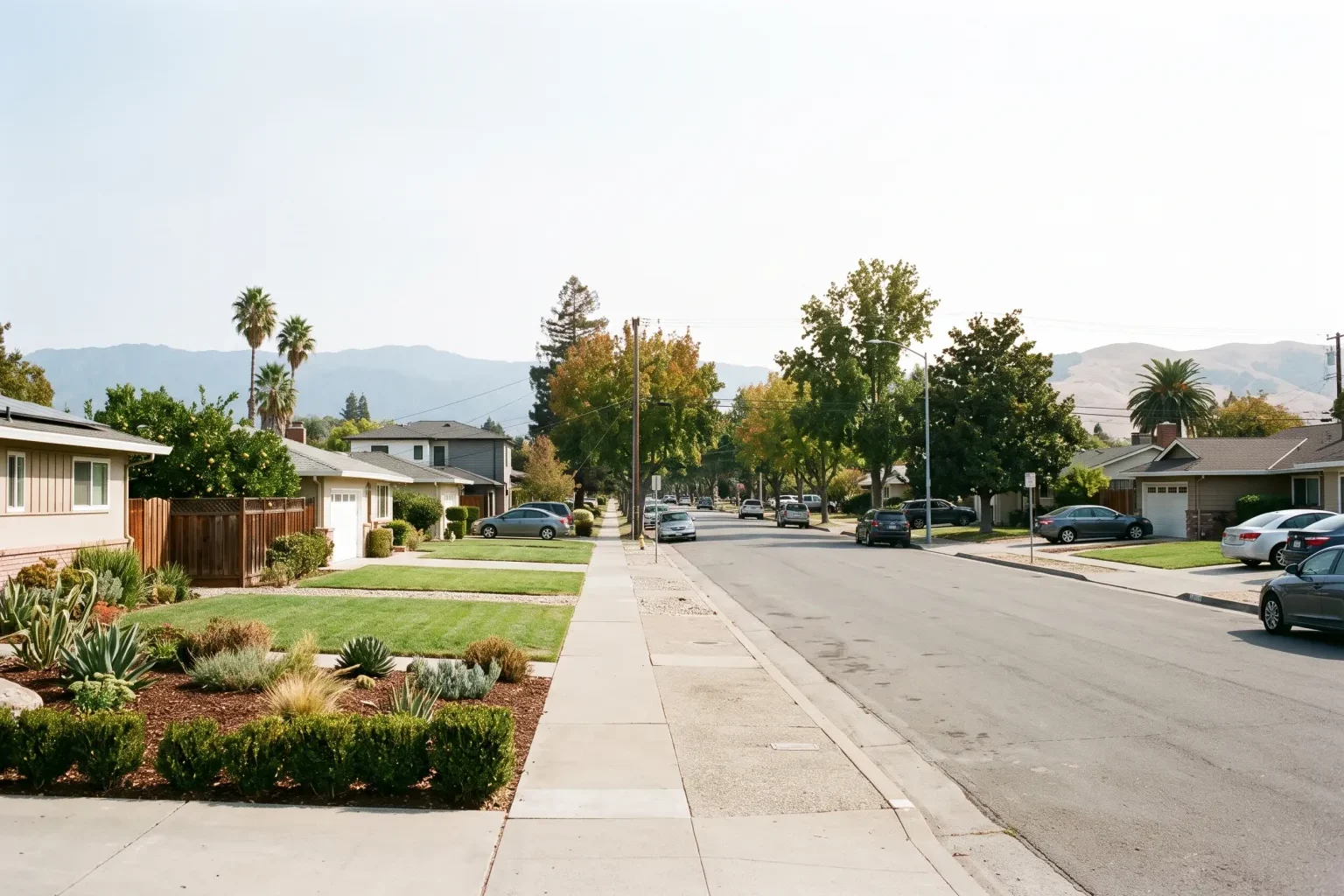
We work in homes throughout Santa Clara, from older neighborhoods with original ductwork to newer houses and townhomes with high-efficiency furnaces and heat pumps. We also serve Sunnyvale, Cupertino, Campbell, Milpitas, and Mountain View. When you contact us, tell us what the system is doing and roughly how old it is. That helps us bring the right parts and finish the repair in one visit when possible.
More services in Santa Clara
- AC Repair in Santa Clara
- Heat Pump Installation in Santa Clara
- AC Installation in Santa Clara
- Furnace Repair in Santa Clara