The short answer
If your AC is blowing warm air, short cycling, leaking, or making new noises, a technician should diagnose it before a small problem becomes a bigger one. We find the cause, explain your repair options in plain terms, and tell you honestly when replacement may be the better choice.
When your air conditioner quits on a hot afternoon, you want to know what's wrong, what it will take to fix it, and whether the fix makes sense for an older system. ChillPro AC Repair works on central air conditioners and heat pumps in homes across San Jose and the surrounding South Bay. This page explains the warning signs worth acting on, what our technicians check during a repair visit, how we think about repair versus replacement, what drives the cost of a job, and what to expect from the moment you call to the moment we leave.
Signs Your Air Conditioner Needs Repair
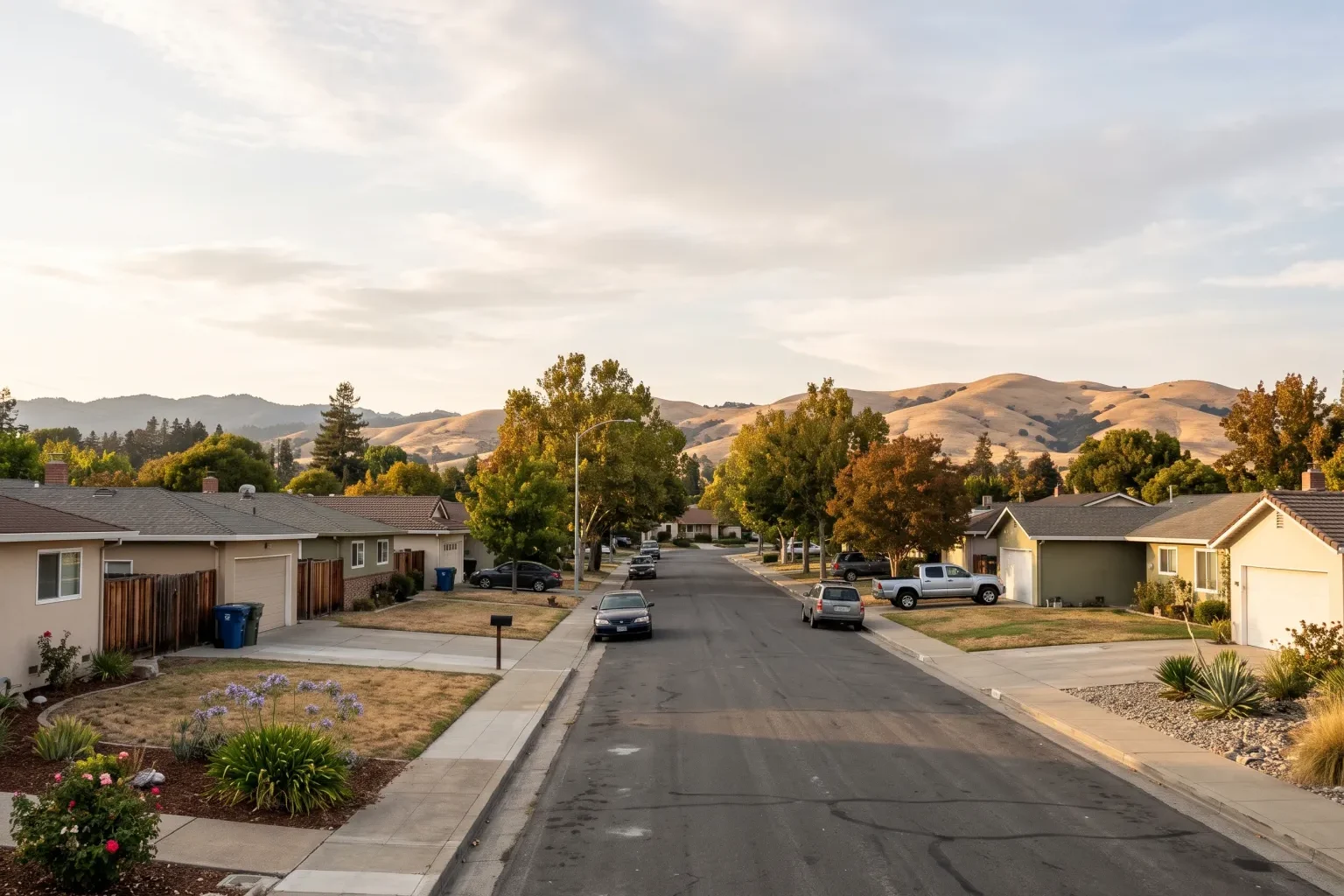
The Santa Clara Valley has dry summers, and inland and southern parts of the valley get noticeably hotter than areas near the Bay. That means many San Jose air conditioners work hard for weeks at a stretch, and problems tend to show up during the first real heat of the season. Catching them early usually means a simpler repair.
Call for service if you notice any of the following:
- Air from the vents feels warm or only slightly cool, even with the thermostat set low
- The system turns on and off every few minutes (short cycling)
- Some rooms stay hot while others are comfortable
- Ice on the refrigerant lines or the indoor coil
- Water pooling near the indoor unit or a damp ceiling below an attic unit
- Grinding, squealing, banging, or loud buzzing from the indoor or outdoor unit
- A burning or musty smell when the system runs
- The outdoor fan doesn't spin, or the unit hums but won't start
- Breakers that trip when the AC kicks on
- Energy bills climbing without a change in how you use the system
What We Check During a Repair Visit
A good repair starts with an accurate diagnosis. Replacing parts until the problem goes away wastes your money, so our technicians work through the system in order and test before recommending anything.
Depending on the symptoms, a diagnostic visit typically covers:
- Thermostat settings, wiring, and batteries, to rule out a control problem first
- Air filter condition and airflow at the return and supply vents
- Capacitors and contactors, common failure points that keep a compressor or fan from starting
- Outdoor condenser coil cleanliness and fan motor operation
- Indoor evaporator coil, blower motor, and blower wheel
- Refrigerant pressures and temperatures, plus a check for signs of a leak
- Condensate drain line, pan, and safety float switch
- Electrical connections, breakers, and disconnect for loose or overheated wiring
- Visible ductwork for disconnected or crushed sections
Repair or Replace: How We Help You Decide
Most AC problems are repairable, and many involve a single worn part. A failed capacitor, a clogged drain line, or a burned contactor can usually be fixed in one visit. We'll tell you when a repair is the straightforward answer.
Replacement becomes worth discussing when a system has a major failure, like a dead compressor or a leaking coil, on an older unit that has already needed several repairs. We also consider whether replacement parts are still available, how evenly the system cools your home, and whether it uses an older refrigerant that has become harder and more costly to service. We'll lay out both paths so you can compare them.
If you're replacing, it's worth knowing how local rules are changing. Under Bay Area Air District rules, natural gas furnaces manufactured from 2029 must meet a zero-NOx emission standard, which in practice points homeowners toward heat pumps when a furnace is replaced after that date. Because a heat pump handles both cooling and heating, some homeowners whose AC and furnace are both aging choose to replace them together with one heat pump system. These rules do not require you to replace working equipment. They apply only when an existing furnace fails or is replaced.
On incentives: the federal Energy Efficient Home Improvement Credit (25C) covered qualifying heat pumps placed in service before December 31, 2025, and it isn't available for new installations after that date. Bay Area homeowners can still check BayREN and their local clean energy provider for current heat pump and electrification incentives. Amounts and availability change by funding cycle, so we confirm the current offer before including it in a quote.
What Affects the Cost of AC Repair
Every repair is different, so we give you a clear quote after diagnosing the problem and before starting any work. The main factors that affect what a repair costs are:
- The specific part that failed and whether it's a common or specialty component
- Labor time, including how easy the equipment is to reach in an attic, crawlspace, or tight side yard
- Refrigerant type and how much is needed, along with any leak repair required first
- The age and brand of the system, which affects parts availability
- Whether several problems need attention at once, such as a failed motor caused by a dirty coil
- Timing, since urgent same-day work during a heat wave may differ from a scheduled visit
How a ChillPro Repair Visit Works
When you contact us, we'll ask what the system is doing, when the problem started, and where your indoor and outdoor units are located. That helps the technician arrive prepared with the parts most likely to be needed.
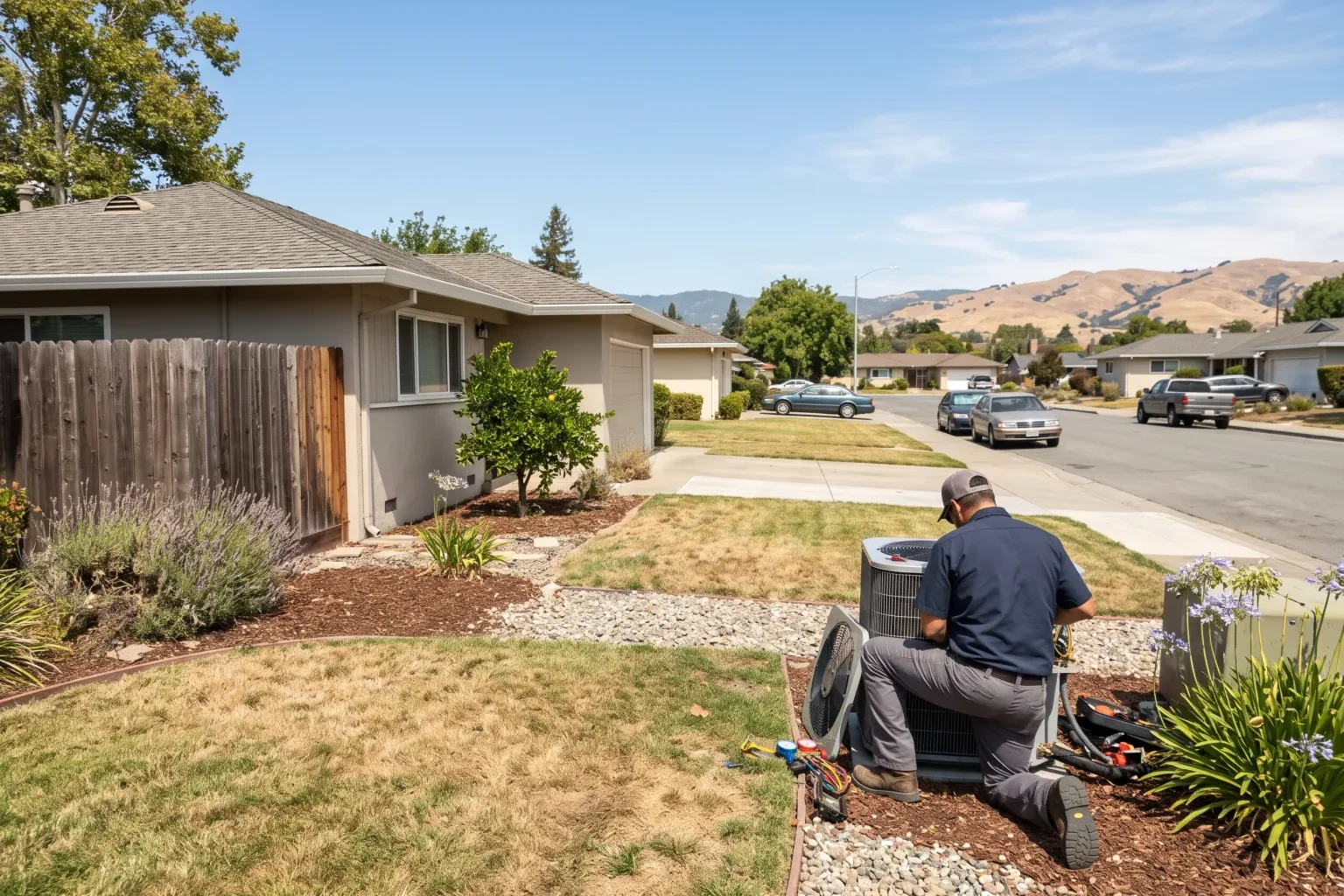
At your home, the technician will listen to your description, then inspect and test the system. Once the cause is found, they'll explain what's wrong in plain language, show you the failed part when possible, and give you your options with a quote. Nothing is repaired until you approve it.
After the repair, the technician runs the system and confirms it's cooling properly. They'll also point out anything else they noticed, like a dirty filter or a drain line that needs cleaning, so you can address it now or plan for it later.