The short answer
If your furnace or heat pump won't heat, shuts off after a few minutes, makes new noises, or smells unusual, schedule a repair visit. ChillPro AC Repair finds the cause and explains your options and the price before starting work. We also help you weigh repair against replacement, including how current Bay Area rules affect that choice.
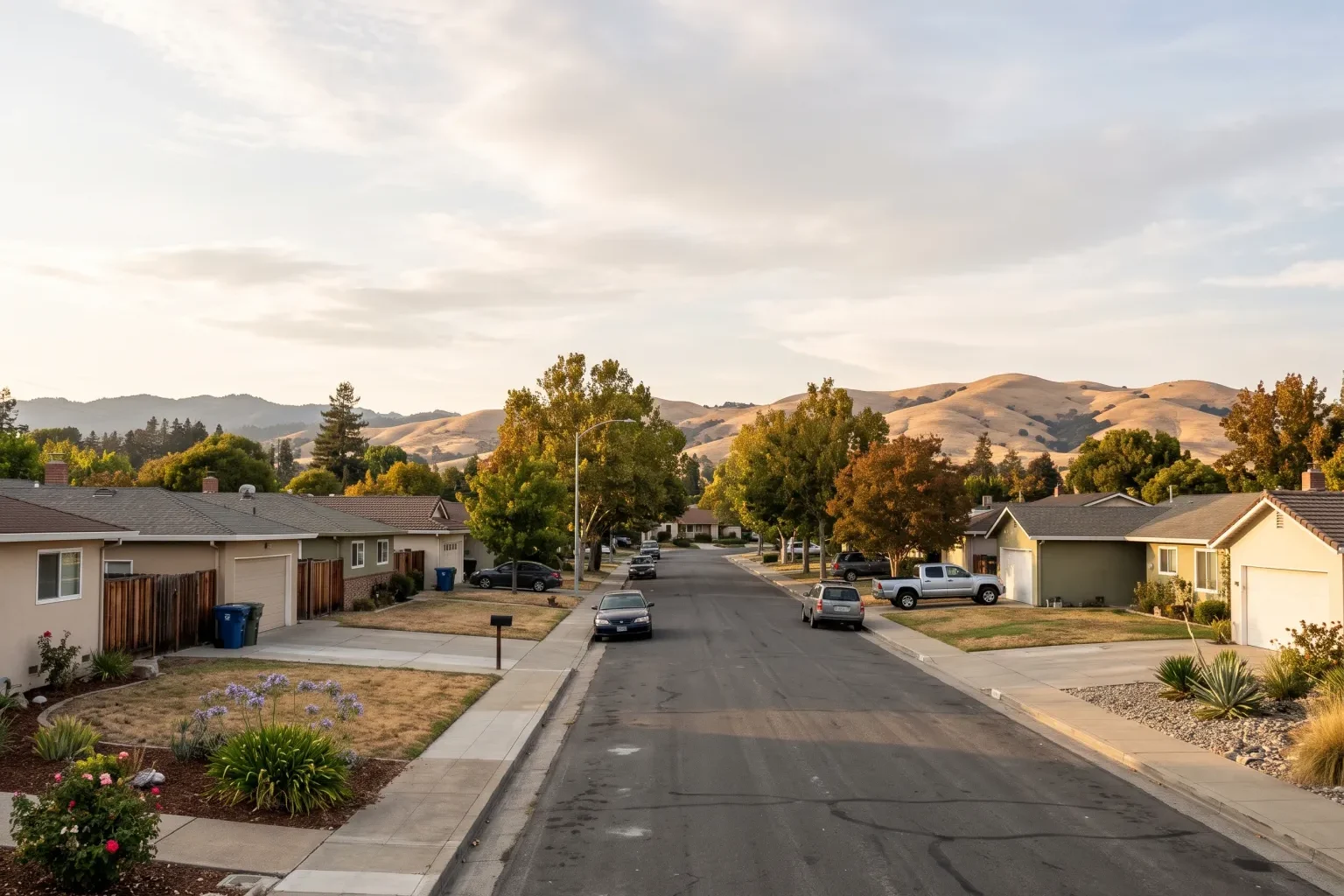
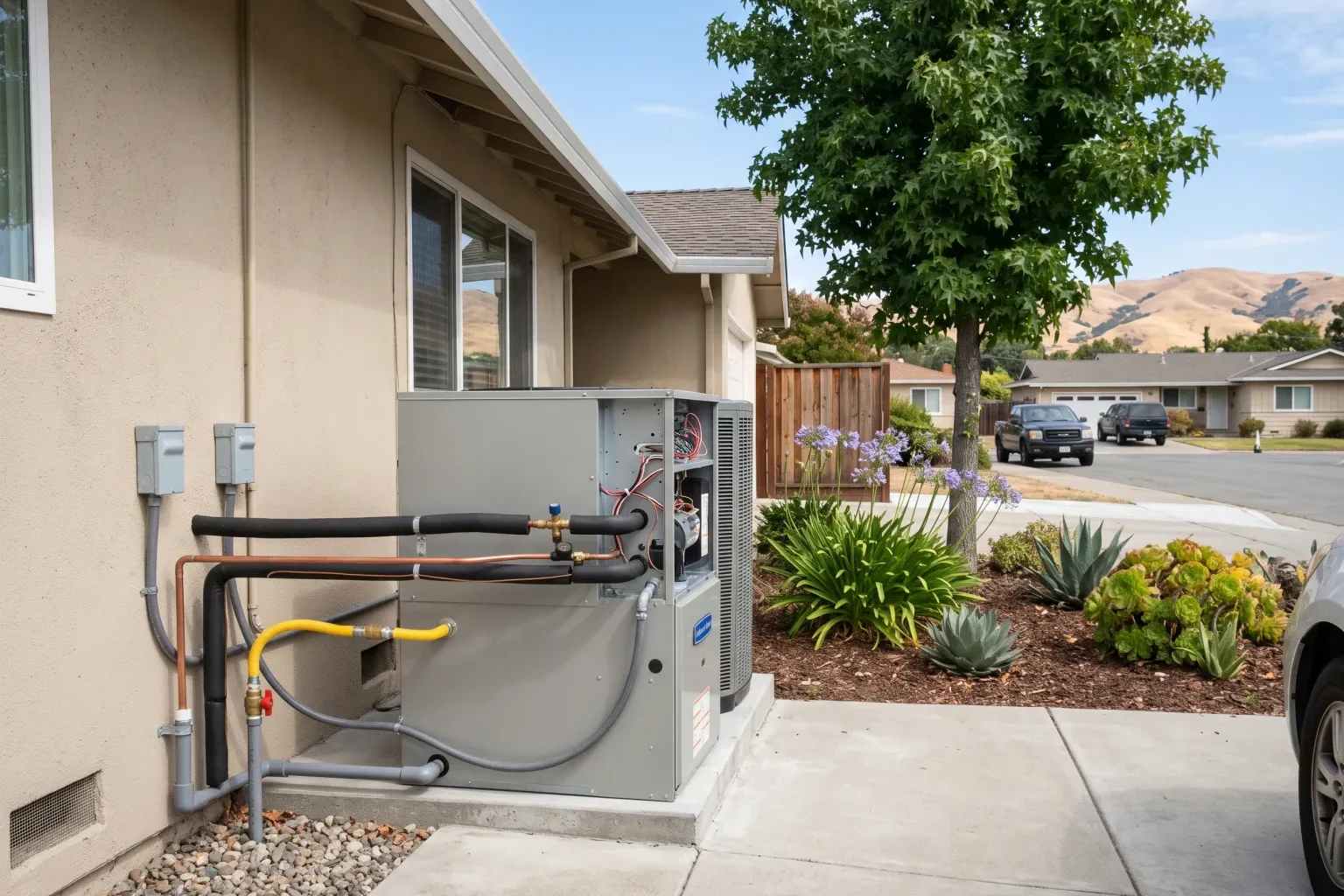
San Jose winters are mild, but December and January nights still get cold and damp enough that a furnace or heat pump that won't run makes a house uncomfortable fast. ChillPro AC Repair fixes gas furnaces, heat pumps, and the controls and ductwork that connect them for homeowners in San Jose and nearby cities. In the Santa Clara Valley, heating systems often sit idle through the long, dry summer. Problems tend to show up in the first cold week of the season: a burner that won't light, a blower that pushes cool air, or an odd smell from the vents. This page covers the warning signs, what we check, how we help you decide between repairing and replacing, and what to expect when we come out.
Signs Your Heating System Needs Repair
Some heating problems are obvious, like no heat at all. Others build slowly and are easy to ignore until the system quits on a cold night. Schedule a repair visit if you notice any of these:
If you smell gas, leave the house first. From outside, call your gas utility or 911, and don't flip lights or appliances on or off on your way out. A gas smell is a safety issue first and a repair issue second.
- No heat, or the system starts and shuts off after a few minutes (short cycling)
- Air from the vents that feels lukewarm or cool while the thermostat is calling for heat
- Some rooms staying much colder than others
- New noises, such as banging at startup, squealing, grinding, or rattling
- A burning-dust smell that lasts longer than the first few minutes of the season
- A yellow or flickering burner flame instead of a steady blue one
- A heat pump that runs nonstop, ices over without defrosting, or switches to backup heat often
- Energy bills rising when you haven't changed how you use the system
What We Check During a Heating Repair Visit
A lasting repair starts with finding the actual cause, not just treating the symptom. Our technician works through the system in order, from the thermostat to the vents. Along the way, we test the parts most likely to fail on your type of equipment.
When we suspect a combustion or venting problem on gas equipment, we also test for carbon monoxide. Once we find the problem, we explain it in plain terms and show you what we found before any work starts.
- Thermostat settings, wiring, and batteries, and whether it is calling for heat correctly
- Air filter condition and airflow through the return and supply sides
- Igniter, flame sensor, burners, and gas pressure on gas furnaces
- Heat exchanger, checked for cracks or signs of overheating
- Inducer motor, pressure switch, and venting, to confirm exhaust leaves the house safely
- Blower motor, capacitor, and blower wheel
- Control board error codes and safety limit switches
- Heat pump refrigerant performance, reversing valve, defrost controls, and outdoor coil
- Visible duct connections, especially in attics and crawlspaces where joints can separate
Repair or Replace: How to Decide
Most heating calls end in a repair. A failed igniter, a dirty flame sensor, a worn capacitor, or a clogged filter is a straightforward fix. If we have the part on hand, we can often get the system running again during the same visit. Replacement starts to make sense in three situations: the failed part is a major component, the system is near the end of its expected life, or the same problems keep coming back.
We weigh several things with you: - The age and overall condition of the equipment - How the repair cost compares to the life left in the system - Any safety concern, such as a cracked heat exchanger - How comfortable the house has been - Your plans for the home
Local rules matter too. Bay Area Air District appliance rules don't require you to replace working equipment. They apply only when a furnace fails or is replaced. Under Rule 9-4, gas furnaces manufactured from 2029 on must meet a zero-NOx emission standard. In practice, that points homeowners toward heat pumps for replacements after that date. If your furnace is getting older, it helps to know this before you face a decision on a cold night.
The federal 25C tax credit for heat pumps covered systems placed in service before December 31, 2025, so it isn't available for new installations now. Bay Area homeowners can still check BayREN and their local clean energy provider for current heat pump and electrification incentives. Those programs change with each funding cycle, so we confirm what's currently offered before including it in a quote.
What Affects the Cost of a Heating Repair
We can't give an accurate price until we've diagnosed the system. These are the main factors that determine what a heating repair costs:
We give you the repair price before doing any work. If replacement is worth considering, we lay out both options side by side so you can compare them.
- Which part failed, and whether it's a common or specialized component
- Part availability, especially for older or less common brands
- The type of system: gas furnace, heat pump, or dual-fuel setup
- How easy the unit is to reach, since attic and tight crawlspace installs take longer
- Whether one failure caused others, such as a weak blower that tripped a limit switch
- Timing, if you need service outside regular hours
How a Heating Repair Visit Works
Here's what to expect from your first call to the finished repair:
Before we arrive, clear a path to the furnace or air handler and to the outdoor unit if you have a heat pump. It also helps to jot down anything you've already tried, like changing the filter or resetting a breaker.
- You contact us and describe what's happening. Details like noises, error codes, and when the problem started help us bring the right parts.
- We schedule a time that works for you.
- The technician arrives, asks a few questions, and inspects and tests the system.
- We explain what's wrong and give you repair options and pricing before starting.
- With your approval, we make the repair and run the system through a full heating cycle to confirm it works.
- We review what we did and point out anything worth keeping an eye on.
Heating Repair by city
- Heating Repair in Campbell
- Heating Repair in Santa Clara
- Heating Repair in Cupertino
- Heating Repair in Saratoga
- Heating Repair in Monte Sereno
- Heating Repair in Los Gatos
- Heating Repair in Sunnyvale
- Heating Repair in Milpitas
- Heating Repair in Los Altos
- Heating Repair in Mountain View
- Heating Repair in Los Altos Hills
- Heating Repair in Fremont