The short answer
If your furnace blows cool air, short cycles, won't ignite, or makes new noises or smells, it likely needs a repair. Most problems, like a failed igniter, dirty flame sensor, or bad blower capacitor, can be fixed without replacing the furnace. We diagnose the cause first and explain your options before any work begins.
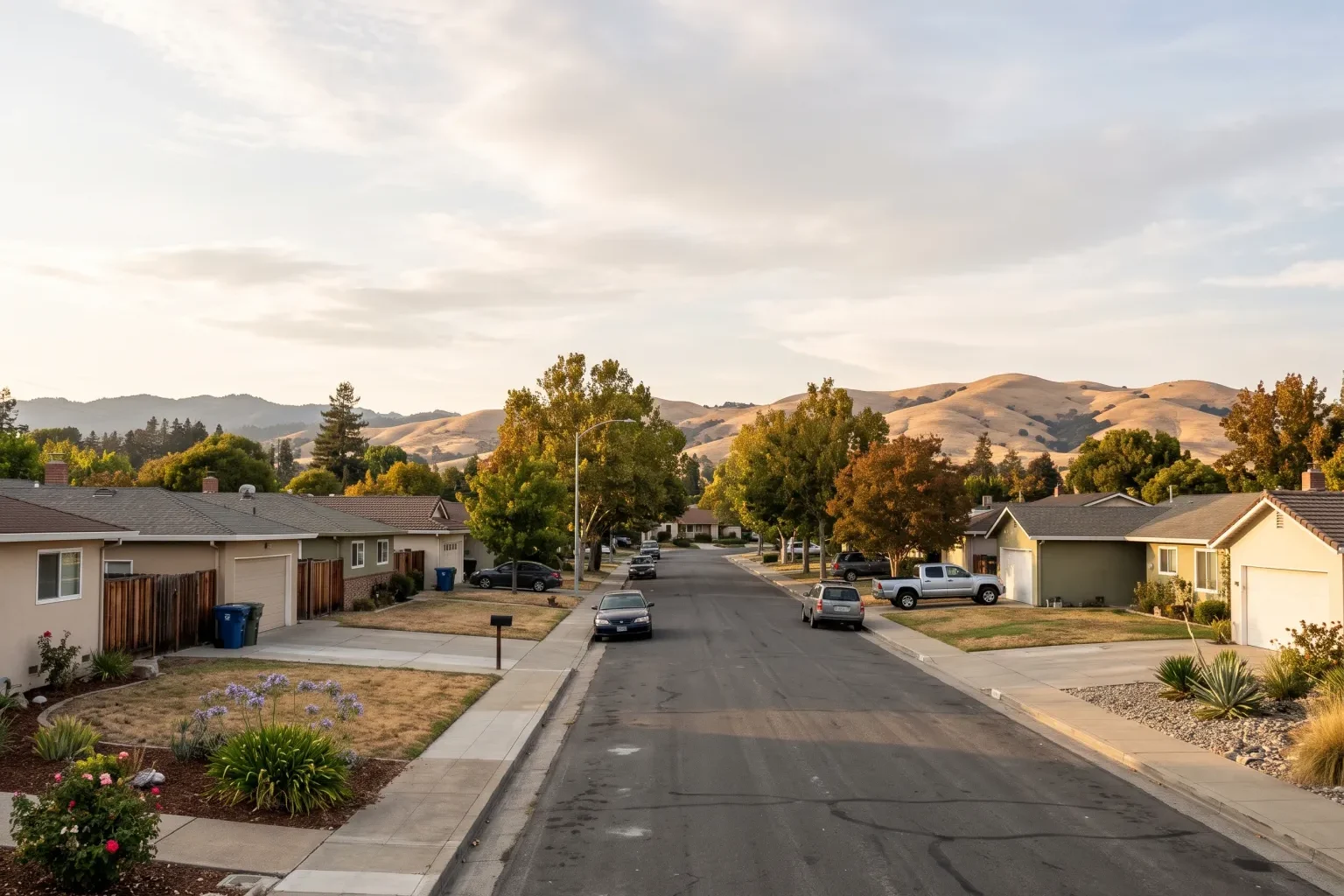
San Jose winters are mild, but damp, chilly nights still make a working furnace important. Because most furnaces in the Santa Clara Valley sit idle through long, dry summers, problems often surface on the first cold evening of the season, when dust, worn parts, and weak components finally get put to work. ChillPro AC Repair diagnoses and repairs gas furnaces for homeowners in San Jose and nearby South Bay cities. This page covers the warning signs to watch for, what our technicians check, how we think about repair versus replacement, what affects the cost, and what to expect when we come out.
Signs Your Furnace Needs Repair
Furnaces usually give some warning before they stop working. Catching a problem early often means a simpler repair and less time without heat. Call for service if you notice any of these:
Two situations call for immediate action, not a service appointment. If you smell gas (a rotten-egg odor), leave the house and call your gas utility or 911 from outside. If your carbon monoxide alarm goes off, get everyone out and call 911. Don't restart the furnace until it has been checked.
- Air from the vents feels cool or lukewarm while the heat is on
- The furnace turns on and shuts off after a short run (short cycling)
- The burners won't light, or you hear repeated clicking without ignition
- New sounds such as banging at startup, squealing, rattling, or scraping
- A burning smell that lingers well past the first few minutes of the season (a brief dusty smell at first startup is normal)
- Burner flames that look yellow or flicker instead of burning steady blue
- Some rooms stay much colder than others
- Heating bills rise without any change in how you use the system
- The thermostat calls for heat but nothing happens
What We Check During a Furnace Repair Visit
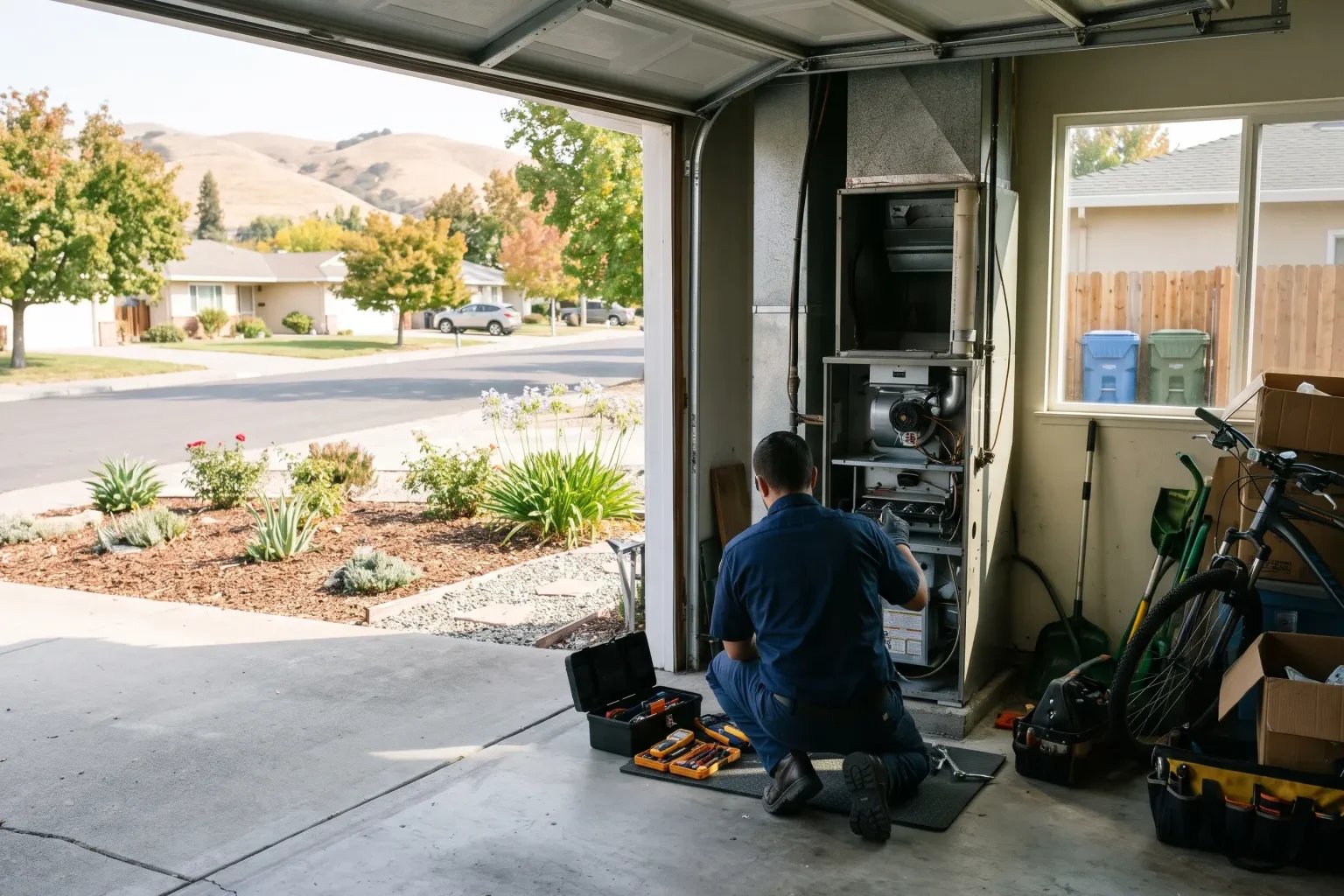
We start with diagnosis, not guesswork. Replacing parts until the problem goes away wastes your money, so our technicians test the system step by step to find the actual cause. Depending on your furnace and the symptoms, that typically includes:
Once we find the problem, we show you what we found and explain it in plain terms. If we spot something else that needs attention, such as a worn part that's likely to fail soon, we'll tell you, and you decide whether to address it now or later.
- Thermostat settings, wiring, and batteries
- Air filter condition and overall airflow
- Ignition system, including the hot surface igniter or pilot assembly
- Flame sensor, which can shut the furnace down when it gets dirty
- Burners and flame quality
- Visual inspection of the heat exchanger for cracks or corrosion
- Inducer motor, pressure switch, and venting
- Blower motor, capacitor, and belt (on older units)
- Limit switch and other safety controls
- Gas connections and gas pressure
- Control board and any error codes it's flashing
- Condensate drain and trap on high-efficiency furnaces
Repair or Replace: How to Decide
Most furnace problems are repairable. Igniters, flame sensors, capacitors, pressure switches, and blower motors wear out over time, and replacing them can keep a furnace running safely for years. Replacement usually makes more sense when the heat exchanger is cracked, when the furnace has needed several significant repairs in a short span, when replacement parts are no longer available, or when an older system is simply running poorly despite repairs. We'll give you an honest view of both paths and leave the decision to you.
Local rules are worth understanding, but they shouldn't push you into replacing equipment early. The Bay Area Air District's appliance rules do not require anyone to replace a working furnace; they apply only when a furnace fails or is replaced. Under those rules, natural gas furnaces manufactured starting in 2029 must meet a zero-NOx emission standard, which in practice points homeowners toward heat pumps for replacements after that date. If your furnace is near the end of its life, that may factor into your planning.
If you're considering a heat pump, note that the federal Energy Efficient Home Improvement Credit only covered qualifying heat pumps placed in service before December 31, 2025, so it isn't available for new installations. Bay Area homeowners can check BayREN and their local clean energy provider for current heat pump and electrification incentives. Amounts and availability change by funding cycle, so we confirm the current offer before including it in any quote.
What Affects the Cost of a Furnace Repair
Every repair is different, so we don't quote a price until we know what's wrong. These factors have the biggest influence on what you'll pay:
Before we start any repair, we explain what needs to be done and what it will cost, so there are no surprises when the work is finished.
- Which part has failed, since a flame sensor and a blower motor differ widely
- How long it takes to diagnose intermittent or hard-to-reproduce problems
- Furnace type, such as a standard unit versus a high-efficiency condensing furnace
- Brand and model, which affect part availability
- Where the furnace is installed, since attics, crawl spaces, and tight closets take more time to work in
- Whether there are multiple problems rather than a single failed part
- Whether venting, gas lines, or ductwork also need attention
- Timing, if service is scheduled outside regular hours
How a Furnace Repair Visit Works
When you contact us, we'll ask what you're noticing: when it started, any sounds or smells, and whether the furnace runs at all. That helps the technician come prepared. If your furnace has a small window on the cabinet with a blinking light, jotting down the pattern is helpful too.
When the technician arrives, they'll talk with you about the symptoms, then inspect and test the system. After finding the cause, they'll explain the problem, walk you through your options, and give you the cost before starting. Nothing gets repaired without your approval.
Once the repair is done, we run the furnace through full heating cycles to confirm it ignites, heats, and shuts off properly, and we check safety controls along the way. Before leaving, the technician will answer your questions and share simple steps, like changing the filter on schedule, that help prevent the same problem from coming back.
To make the visit go smoothly, clear a path to the furnace and the thermostat, and secure pets if possible.
Furnace Repair by city
- Furnace Repair in Campbell
- Furnace Repair in Santa Clara
- Furnace Repair in Cupertino
- Furnace Repair in Saratoga
- Furnace Repair in Monte Sereno
- Furnace Repair in Los Gatos
- Furnace Repair in Sunnyvale
- Furnace Repair in Milpitas
- Furnace Repair in Los Altos
- Furnace Repair in Mountain View
- Furnace Repair in Los Altos Hills
- Furnace Repair in Fremont