The short answer
A heat pump is a good fit for most Mountain View homes because the local climate is mild for most of the year, which is where heat pumps run most efficiently. We size the system with a room-by-room load calculation, check your ductwork and electrical panel, and help you sort out current rules and incentives before you commit.
If your gas furnace is getting older, or your home has never had air conditioning, a heat pump can handle both heating and cooling with one system. ChillPro AC Repair installs ducted and ductless heat pumps for homes throughout Mountain View, including the 94040, 94041 and 94043 ZIP codes. We're based in San Jose, about 9 miles to the southeast, so reaching your home for an in-person assessment is easy to schedule. This page explains how we plan and size a heat pump for a Mountain View house, what can affect the scope of the job, and how current Bay Area rules and incentives fit into your decision.
Why Heat Pumps Work Well in Mountain View's Climate
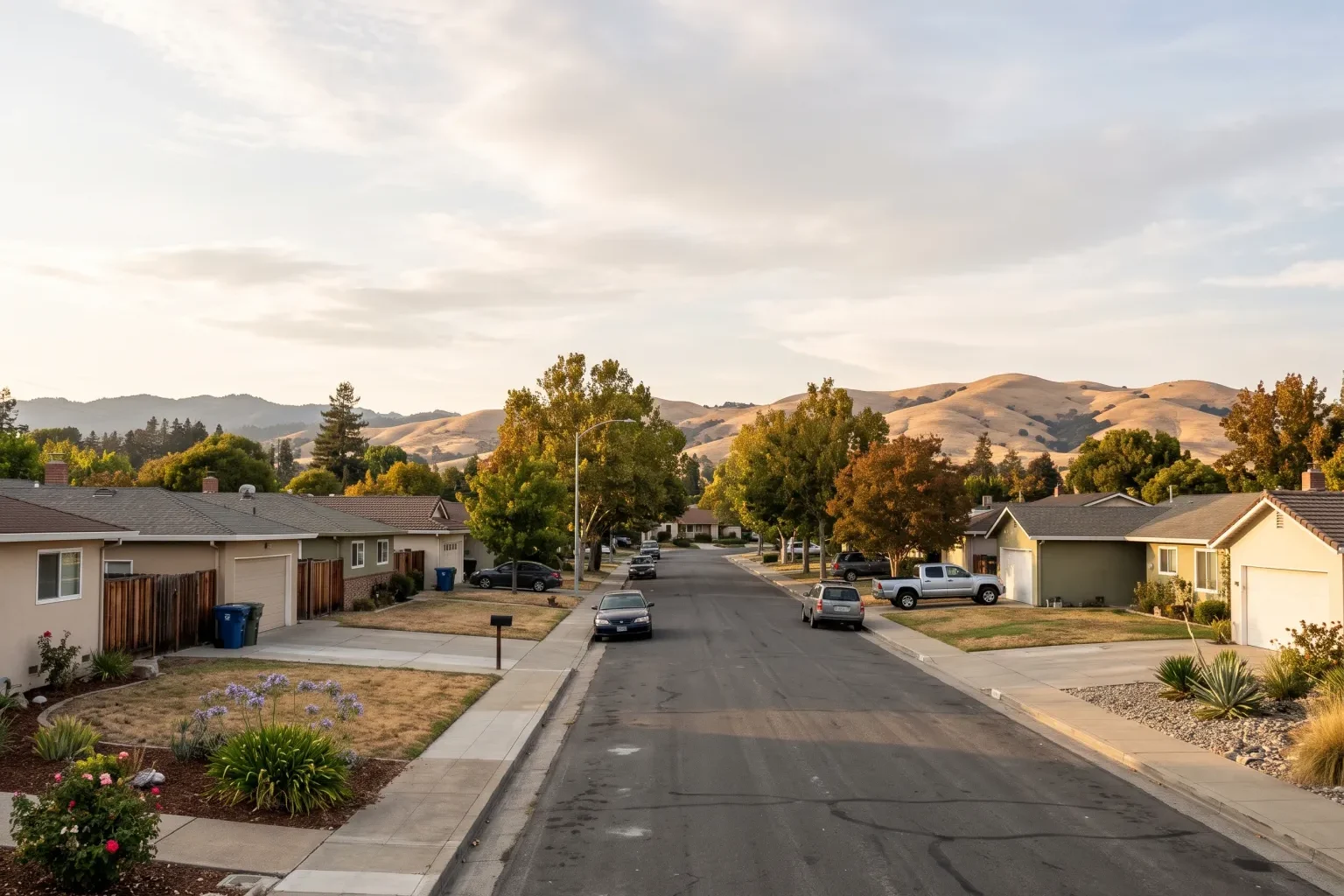
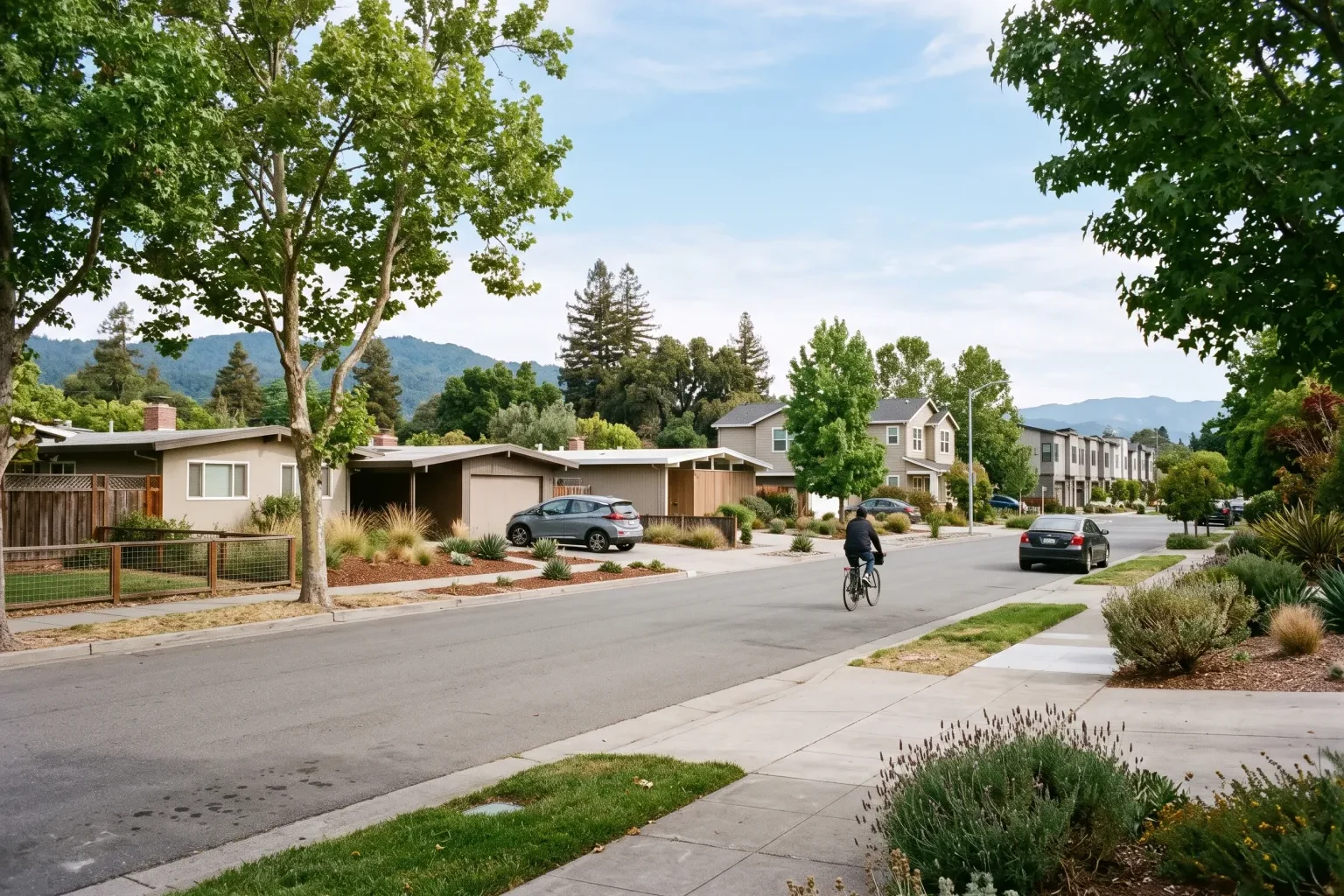
The Santa Clara Valley has a Mediterranean climate: dry summers and mild, damp winters. Mountain View sits closer to the Bay than the inland and southern parts of the valley, so summer heat is usually less intense here than in places like south San Jose. You still get warm stretches where a closed-up house becomes uncomfortable, and winter mornings can be chilly and damp.
That pattern suits a heat pump. Instead of burning fuel to make heat, a heat pump moves heat into your home in winter and out of it in summer. It works most efficiently when outdoor temperatures are moderate, which describes most days of the year here. For many households, that means one system replaces both an aging furnace and a window unit or older central AC.
What We Check Before Recommending a System
A heat pump that's too large will cycle on and off and leave rooms clammy. One that's too small will run constantly on the hottest and coldest days. We don't size by square footage alone or simply match the old unit. During the assessment we look at:
- A room-by-room heating and cooling load, accounting for insulation, windows, sun exposure and ceiling height
- Condition, size and leakage of existing ductwork, if you have it
- Electrical panel capacity and whether a new dedicated circuit is needed
- Where the outdoor unit can go, with attention to airflow clearance, drainage, and distance from bedroom windows and property lines
- Whether your current thermostat can control a heat pump properly
- The age and condition of your existing furnace and air conditioner
Ducted, Ductless, or a Mix
If your home already has ductwork in reasonable shape, a ducted heat pump usually connects to it, often with a new air handler or a heat pump coil paired with your existing equipment. If the ducts are leaky or undersized, we'll tell you what sealing or modification makes sense before installing new equipment on top of them.
Homes without ducts, or additions and converted garages that were never tied into the main system, are often good candidates for ductless mini-splits. These use small indoor heads mounted on walls or ceilings, each with its own temperature control. Some homes end up with both: a ducted system for the main living area and a ductless head for a room that has always run too hot or too cold.
Rules, Incentives and Timing
Under Bay Area Air District rules, natural gas furnaces manufactured from 2029 onward must meet a zero-NOx emission standard. In practice, that points homeowners toward heat pumps when a furnace is replaced after that date. These rules do not require you to replace equipment that's still working. They apply only when an existing furnace fails or is replaced, so you can plan the switch on your own schedule.
On incentives, the federal Energy Efficient Home Improvement Credit covered qualifying heat pumps placed in service before December 31, 2025, and it isn't available for new installations after that date. Bay Area homeowners can still check BayREN and their local clean energy provider for heat pump and electrification incentives. Amounts and availability change by funding cycle, so we confirm the current offer before including it in any quote.
What Installation Day Looks Like
Once you've approved a plan, the work generally follows these steps:
- Protect floors and work areas, then safely disconnect and remove old equipment
- Set the outdoor unit on a level pad or bracket and install the indoor air handler, coil or ductless heads
- Run refrigerant lines, condensate drainage and electrical connections
- Pressure-test and evacuate the refrigerant lines before charging the system
- Set up the thermostat, test heating and cooling modes, and confirm airflow
- Walk you through operation, filter changes and what normal heat pump sounds and defrost cycles look like
More services in Mountain View
- AC Repair in Mountain View
- Heating Repair in Mountain View
- AC Installation in Mountain View
- Furnace Repair in Mountain View